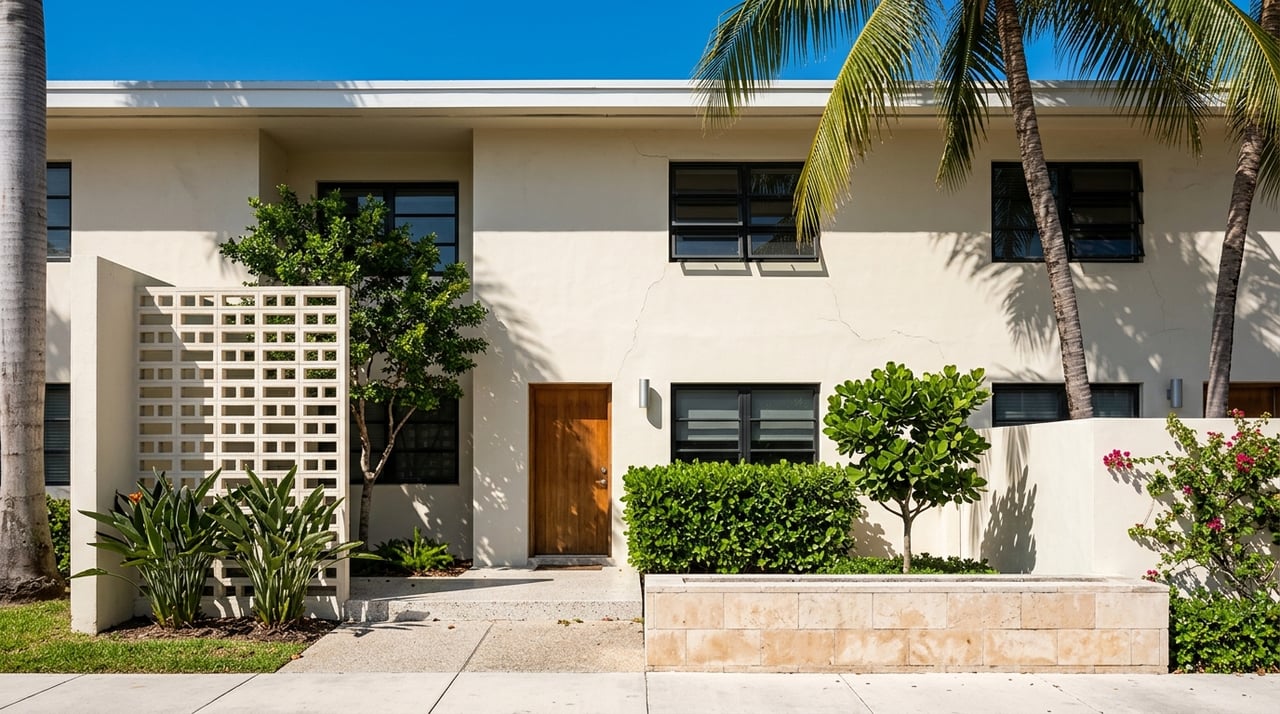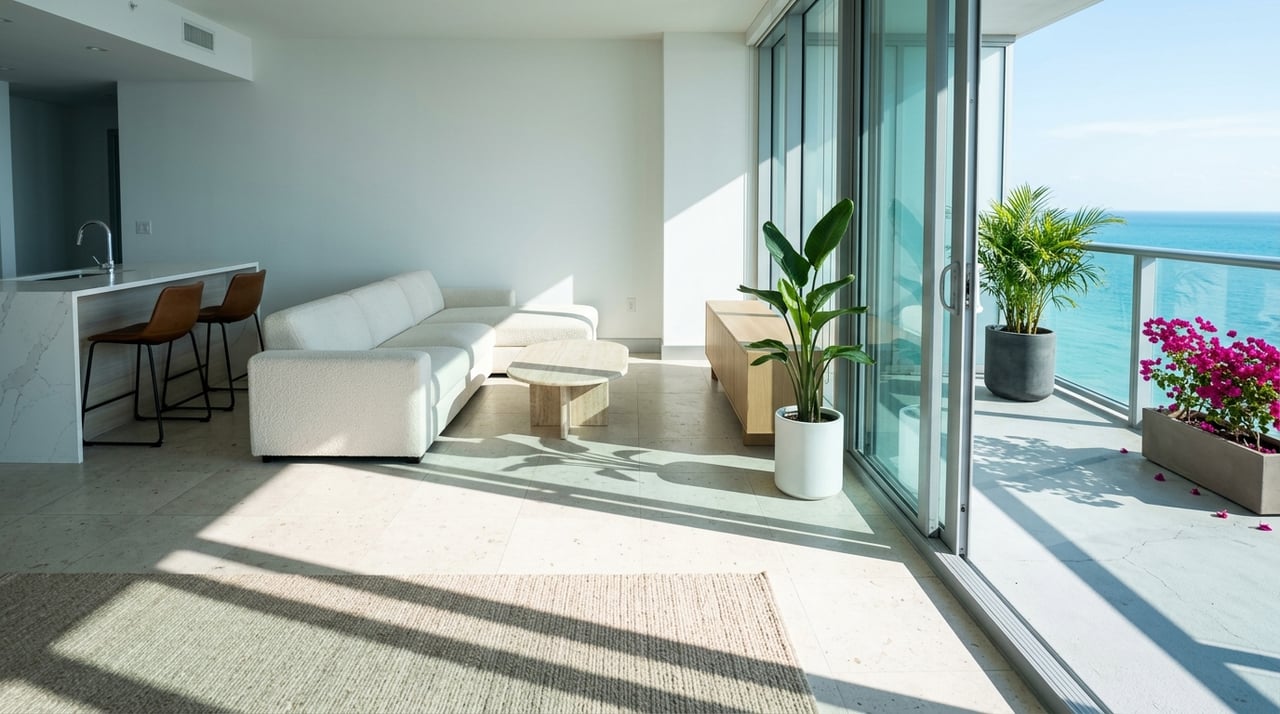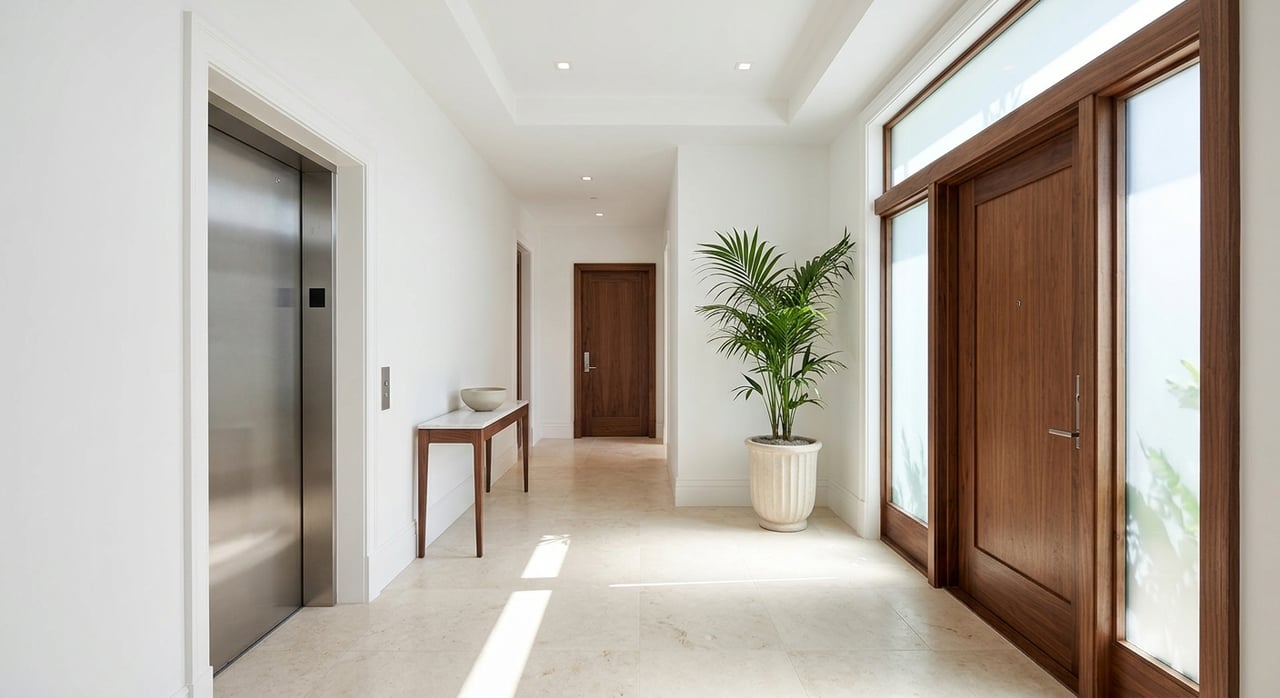
Choosing a condo in Bal Harbour is rarely just about square footage or ocean views. In this compact, luxury-focused village, your bigger decision is often how you want to live day to day: with the calm, private rhythm of a boutique building or the full-service energy of a resort-style tower. If you are weighing both options, this guide will help you compare lifestyle, amenities, ownership costs, and the practical building details that matter before you buy. Let’s dive in.
Why This Choice Matters in Bal Harbour
Bal Harbour is a one-square-mile oceanside village at the northern tip of Miami Beach in Miami-Dade County. Village materials describe it as a secluded luxury destination known for its beach, arts programming, local services, and the globally recognized Bal Harbour Shops.
Because the village is so compact, buyers are not usually choosing between far-apart neighborhoods with very different personalities. Instead, you are often comparing building types within a very small area, where the real difference comes down to privacy, service level, and lifestyle experience.
That distinction matters even more in Bal Harbour because convenience is part of the appeal. With designer shopping, dining, beach access, and local transportation options nearby, many buyers want a property that matches the way they plan to use the home, whether that means quiet full-time living or a more turn-key seasonal setup.
What Boutique Condo Living Feels Like
Boutique condo living in Bal Harbour is usually about intimacy, privacy, and a more residential feel. These buildings tend to have fewer residences, less foot traffic, and a quieter daily experience in shared spaces like the lobby, elevators, and pool deck.
A strong example is FENDI Château Residences, located just steps from Bal Harbour. According to official building materials, it is a 12-story property with 58 flow-through residences and 300 linear feet of beachfront, with features that include dedicated elevators into private foyers, 24/7 multilingual concierge service, gated entry, doorman and valet service, a private cinema, a spa, and pool-and-beach service.
That setup helps explain why boutique living appeals to buyers who want discretion and space without giving up service. You still have high-end amenities, but the value is often in having the right amenities in a smaller setting instead of a long list of shared features spread across a larger resident population.
Common Boutique Advantages
If you are considering a boutique building, these are often the biggest lifestyle benefits:
- Fewer residences and lower daily traffic
- More private arrival and elevator experience
- A quieter, more residential atmosphere
- Amenity spaces that may feel less crowded
- A service model that can feel more personal
For many full-time owners, that lower-key environment is the main draw. If your goal is to come home to something calm and polished rather than socially active and highly programmed, boutique living may feel like the better fit.
What Resort-Style Condo Living Feels Like
Resort-style condo living is designed around convenience, staffing, and a wider amenity package. In this model, your building may feel closer to a private club or luxury resort, where service and on-site options shape everyday life as much as the residence itself.
Oceana Bal Harbour is one of the clearest examples. Official project materials describe 240 beachfront units across 28 floors, along with a 24-hour concierge, poolside restaurant, spa, oversized pools, Olympic-style lap pool, two oceanfront jetted spas, fitness center with ocean views, yoga, meditation and Pilates area, and tennis courts.
This style tends to appeal to buyers who want more than a beautiful home. If you value valet service, larger wellness offerings, dining access, beach support, and a building that feels active and fully staffed, resort-style living can offer an easier, more turn-key experience.
A More Hotel-Like Experience
At the far resort end of the spectrum, St. Regis Bal Harbour shows how extensive this model can become. Official village and Marriott materials describe three 27-story towers, 213 guest rooms and suites, a 14,000-square-foot spa, oceanfront day villas, multiple dining venues, valet service, airport transfers, and butler service.
For some buyers, that level of service is the entire point. For others, it may feel busier and less private than they want. In practical terms, the tradeoff is often simple: the more resort-like the experience, the more activity, staffing, and shared-use intensity you are likely to see.
Boutique vs. Resort-Style: The Key Tradeoffs
In Bal Harbour, this is best viewed as a lifestyle tradeoff rather than a simple quality ranking. Both options can deliver luxury, beachfront access, and strong service, but they do so in different ways.
| Factor | Boutique Building | Resort-Style Tower |
|---|---|---|
| Daily atmosphere | Quieter and more residential | More active and service-driven |
| Resident count | Typically lower | Typically higher |
| Privacy | Often stronger | Often somewhat reduced |
| Amenities | Curated and selective | Broader and more extensive |
| Staffing | High-touch but smaller scale | Larger staffing presence |
| Best fit | Full-time owners, privacy seekers | Seasonal owners, convenience-focused buyers |
If you picture your ideal day starting with a peaceful elevator ride and a quiet pool deck, boutique may be the better match. If you want your building to handle more of your daily convenience, resort-style living may feel worth the extra activity and operating complexity.
Monthly Fees Are Only Part of the Story
One of the biggest misconceptions in oceanfront condo buying is that a smaller building is always less expensive to own. In reality, monthly maintenance depends on more than size.
Official examples show this clearly. FENDI Château lists maintenance at $1.20 per square foot, while Oceana Bal Harbour lists maintenance at $1.35 per square foot. That difference shows how fees can be shaped by staffing, amenity load, and reserve planning, not just by how many units are in the building.
When you compare condos in Bal Harbour, it helps to look beyond the headline number. A building with more amenities, larger common areas, and more intensive staffing may justify higher dues, while a smaller building may still carry meaningful costs if service standards and long-term upkeep are substantial.
Why Inspections and Reserves Matter in Bal Harbour
For coastal condo buyers in Bal Harbour, building condition and reserve planning deserve close attention. Since Bal Harbour is in Miami-Dade County, local recertification rules and Florida condo requirements are especially relevant when you evaluate ownership costs and risk.
Miami-Dade’s recertification portal states that coastal buildings are subject to recertification at 25 years and every 10 years after that. Florida also requires milestone inspections for qualifying condo and co-op buildings that are three stories or taller, and local enforcement agencies may require an earlier 25-year timeline in salt-water environments.
Florida’s Department of Business and Professional Regulation says qualifying residential condo associations must complete a Structural Integrity Reserve Study, or SIRS, on the required timeline and report it through the state division portal. The guidance also says the study must be completed every 10 years for qualifying buildings and may, in some cases, be done at the same time as a milestone inspection.
For you as a buyer, this matters because two oceanfront buildings with similar views and similar asking prices may have very different financial realities. Reserve strength, deferred maintenance, inspection status, and upcoming capital needs can all affect monthly costs and the chance of future assessments.
What the Reserve Study Covers
Florida law and state guidance indicate that the SIRS focuses on major safety-related and deferred-maintenance items, including:
- Roof
- Structural components
- Fireproofing and fire protection systems
- Plumbing
- Electrical systems
- Waterproofing and exterior painting
- Windows and exterior doors
- Other qualifying high-cost items tied to those systems
This is one reason serious condo buyers should review building documents early. A beautiful unit is only part of the purchase decision. The association behind it is just as important.
Documents to Request Before You Make an Offer
Florida resale contract requirements make this part easier to understand. When applicable, buyers must receive the current milestone-summary report and the association’s most recent SIRS.
In addition to those items, you should request a full package of core condo documents before moving too far forward. That gives you a clearer picture of governance, finances, current obligations, and building condition.
Your Bal Harbour Condo Document Checklist
Ask for these documents when available:
- Declaration
- Articles of incorporation
- Bylaws
- Rules and regulations
- Current financial statements
- Milestone summary report, if applicable
- Most recent Structural Integrity Reserve Study, if applicable
Reviewing these documents can help you compare buildings more intelligently. It can also help you avoid focusing only on finishes, views, or branding while missing the ownership details that shape your long-term experience.
Which Bal Harbour Condo Style Fits You Best?
If you plan to live in the condo full time, prefer a quieter pace, and value discretion, a boutique building may feel more natural. The smaller scale can create a more private day-to-day routine, especially if you care about lower traffic and a more residential atmosphere.
If you are buying a second home, visit seasonally, or want a property that feels highly serviced and easy to enjoy from the moment you arrive, a resort-style tower may be the better match. The broader amenity package and stronger hospitality feel can support a more effortless lock-and-leave lifestyle.
In Bal Harbour, neither option is automatically better. The right choice depends on whether you want your building to feel like a private retreat or a fully staffed destination. That is the real comparison to make.
If you are exploring Bal Harbour condos and want help narrowing the field based on lifestyle, service expectations, and building fundamentals, Alex Miranda Group at ONE | Sotheby's International Realty® can help you compare the options with a local, concierge-level approach.
FAQs
What is the difference between boutique and resort-style condos in Bal Harbour?
- Boutique condos usually offer fewer residences, more privacy, and a quieter residential atmosphere, while resort-style condos typically offer more amenities, more staffing, and a more active full-service environment.
Are boutique condos in Bal Harbour always less expensive than resort-style towers?
- No. Official examples show FENDI Château at $1.20 per square foot in maintenance and Oceana Bal Harbour at $1.35 per square foot, so fees depend on amenities, staffing, and reserve planning as much as building size.
What condo documents should buyers request in Bal Harbour, Florida?
- Buyers should request the declaration, articles, bylaws, rules, financial statements, milestone summary report if applicable, and the most recent Structural Integrity Reserve Study if applicable.
Why do inspections and reserve studies matter for Bal Harbour condo buyers?
- They help you understand a building’s condition, long-term maintenance planning, and possible future costs, which can significantly affect ownership beyond the purchase price.
Is Bal Harbour in Broward County or Miami-Dade County?
- Bal Harbour is in Miami-Dade County, which matters because the condo recertification and reserve-related rules affecting buyers follow Miami-Dade and Florida requirements.