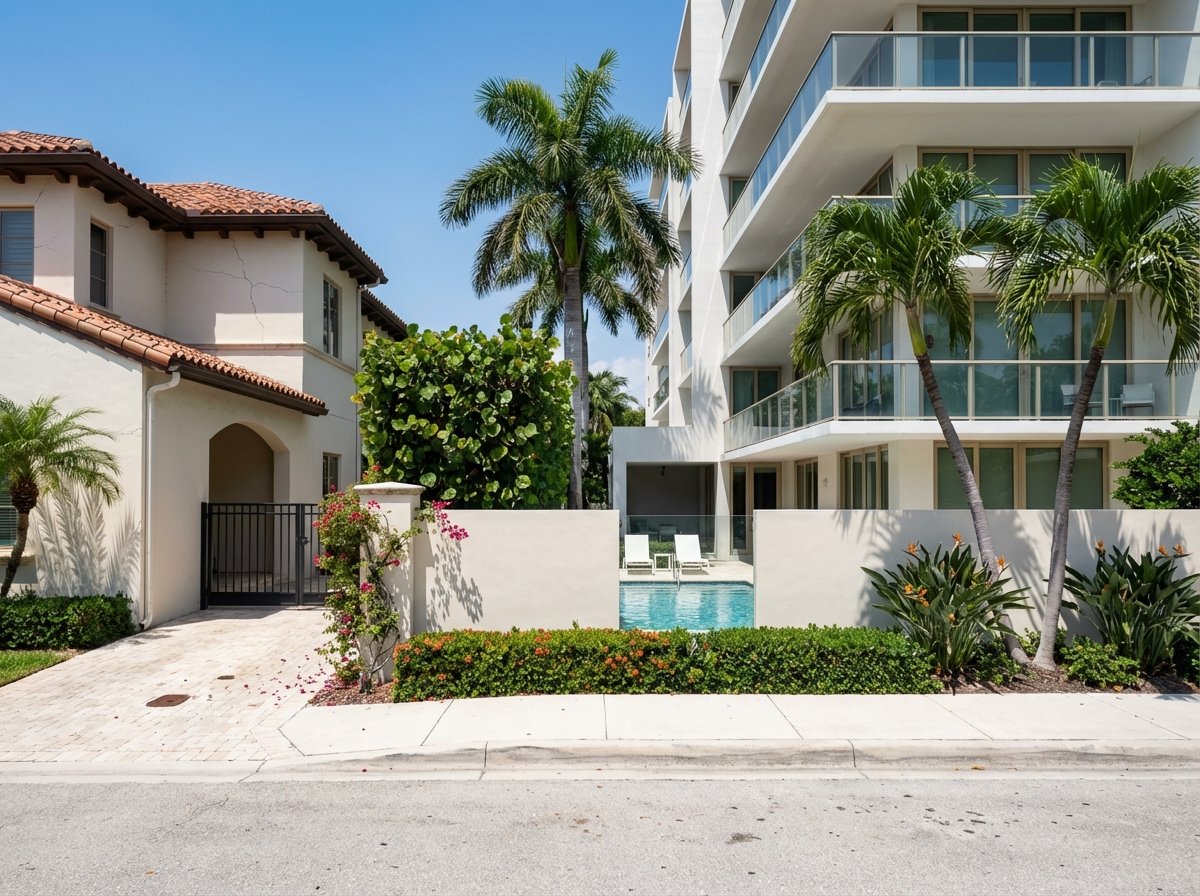
Condo on the bay or a leafy single-family street? If you are weighing Coconut Grove living, both paths offer a great lifestyle but very different daily rhythms and costs. You want clarity on what fits your budget, commute, boating goals, and long-term plans. In this guide, you will learn how condos and houses in the Grove compare on price, maintenance, privacy, walkability, boating access, financing, and rules. Let’s dive in.
Coconut Grove snapshot
Coconut Grove blends a historic, tree-canopied setting with a compact, walkable village near CocoWalk, waterfront parks like The Barnacle Historic State Park, and a strong sailing culture. You will find yacht clubs and Dinner Key Marina on the bay, plus Metrorail and Metrobus connections nearby.
Two price lenses help you frame the market. Realtor.com reported a median listing price near $2.275 million as of December 2025, while Zillow’s Home Value Index for the area was about $1.22 million as of January 31, 2026. These measure different things, so looking at both gives helpful context.
Walkability is strongest in and around the village core. Many single-family streets farther south and inland are quieter but more car dependent. For transit, review nearby stations on the Miami-Dade Metrorail.
Condo vs house: what fits your lifestyle
Money: upfront and ongoing costs
Condos often provide a lower entry price for the same central location near the village. Monthly association dues vary widely by building. Amenity-rich or bayfront towers can run in the multiple thousands per month, while many mid-rise village buildings land in the low hundreds to low thousands. Association dues typically cover exterior and common-area upkeep and a portion of the building’s insurance. You still carry a separate HO-6 interior policy, and details depend on the condominium documents.
Single-family homes carry no condo dues in most cases, but you pay directly for roof, yard, pool, and any waterfront infrastructure. If you are buying on the water, budget for seawall and dock upkeep. Regional guidance suggests major seawall work can reach into five figures and beyond depending on length and materials. See typical ranges by linear foot in this seawall cost overview.
Maintenance, insurance, and assessment risk
In condos, you pool exterior maintenance with other owners. The key variables are the association’s reserves, windstorm deductibles, and any history of special assessments. Smart buyers request the declaration, bylaws, current master insurance, audited financials, reserve study, and recent meeting minutes to understand risk and coverage. Florida’s condominium law outlines baseline responsibilities, but declarations can differ, including whether finishes are insured “as originally installed.” Review how master insurance typically works and what to ask for in this condo insurance primer.
With houses, you control the maintenance timeline, but you shoulder all costs. In coastal areas, confirm whether the property sits in a Special Flood Hazard Area, whether flood insurance is required by your lender, and what the base flood elevation is. Start with a Florida flood zone map resource and order an elevation certificate during due diligence if needed.
Space, privacy, and outdoor living
Condos trade private yards for terraces and resort amenities like pools, gyms, concierge, and gardens. Village-adjacent developments highlight family-friendly green space and on-site programming that reduce the need for private yards.
Single-family homes deliver private outdoor areas for pets, play, and entertaining. Enclaves like The Moorings, Hughes Cove, or Cocoplum are known for privacy and access to the bay. Larger lots and docks come with higher purchase prices and maintenance responsibilities, so align this with your long-term budget and time.
Boating access and marinas
If boating is central to your lifestyle, location matters. Some bayfront condos or private-island communities offer on-site marina amenities and slips, often with separate fees and waitlists. Always verify availability and rules before you buy.
Waterfront houses may include private docks with direct access to Biscayne Bay. Docks require periodic maintenance and sometimes permitting for upgrades. For public wet slips and services, the City’s Dinner Key Marina is a major asset within the Grove.
Walkability, daily life, and commute
Condo living in the village core puts cafés, groceries, parks, and transit at your doorstep. It is a strong fit if you want a short commute or a car-light routine.
Many single-family streets are peaceful but less walkable to daily errands. If your commute includes transit, test door-to-door timing and parking options near the Metrorail stations.
Financing and resale
Lenders scrutinize condominiums at both the borrower and project level. Warrantability, reserves, owner-occupancy ratios, litigation, and delinquency can affect loan types and down payment options. Before you fall in love with a unit, confirm if the project is eligible for FHA, VA, or conventional financing and whether spot approvals apply. Get an overview of condo approval rules from this FHA condo guide.
Short-term rentals and local rules
Short-term rental rules are a two-part check. First, county and city regulations require specific permits and limit where vacation rentals are allowed. Second, many condo declarations restrict or prohibit short-term rentals. Verify both the public requirements and the building’s rules if rental income is part of your plan. Start here for county permitting and CU guidance: Miami-Dade permits portal.
Schools and family logistics
Coconut Grove is served by local public schools and several private schools in and near the neighborhood, including Ransom Everglades and Carrollton. If schools matter to your decision, confirm current attendance maps and test drive morning routes at peak times. For a taste of local outdoor learning and history, explore The Barnacle Historic State Park.
Who chooses what
Choose a condo if you want
- Walkable village access with dining, parks, and transit close by.
- Lock-and-leave convenience for travel or a second home.
- Resort-style amenities that replace private yard maintenance.
- Predictable exterior upkeep through association budgets and reserves.
Choose a house if you want
- A private yard, room to expand, and indoor-outdoor living.
- Direct dockage and no-bridge access in select waterfront pockets.
- Control over finishes, timelines, and renovation scope.
- Fewer community rules and more autonomy over your property.
What money buys in the Grove today
- Village and bayfront condos: Options range from mid-rise buildings with modest dues to ultra-luxury towers with extensive services and higher monthly fees. These suit buyers who want amenities, lock-and-leave comfort, and strong walkability.
- Single-family homes: Prices vary widely by lot size, location, and water access. Large lots and waterfront docks command premium pricing. Remember to factor ongoing costs like landscaping, pool care, roof aging, and potential seawall work.
- Market lens: As of December 2025, the median listing price was roughly $2.275 million, while the local home value index was about $1.22 million as of January 31, 2026. Use both figures as a starting point, then refine with address-level comps.
Your Grove decision checklist
Use this to compare specific addresses and buildings side by side.
- Confirm price context for the exact address using recent neighborhood comps and multiple metrics, then note the date for each figure you use.
- Check the flood map and base flood elevation. If in a Special Flood Hazard Area, budget for flood insurance and consider an elevation certificate. Start with this Florida flood zone map.
- For condos, request the declaration, bylaws, master insurance, current certificate of insurance, audited financials, reserve study, meeting minutes, and litigation disclosures. Florida’s condo statute helps define responsibilities. Review the statute summary and document list guidance similar to this condo insurance resource.
- Ask the association how hurricane deductibles are handled and confirm reserve levels and any planned projects. These drive assessment risk.
- For waterfront houses, confirm seawall condition and request recent inspections and contractor quotes. Reference typical ranges in this seawall cost guide.
- For boat owners, verify private dock rights and dimensions, plus municipal slip or mooring options and potential waitlists at Dinner Key Marina.
- Verify financing options. Ask your lender if the condo project is warrantable or FHA-approved and whether spot approvals apply. See FHA project rules in this condo approval overview.
- Confirm parking: assigned spaces, guest parking, valet rules, and EV charging. Village condos may have limited guest parking.
- Check short-term rental viability: building rules plus county and city permits. Begin with the Miami-Dade permits portal.
- Map school boundaries and private school proximity, then test peak-hour travel times from the home to each campus.
Next steps
Every address in the Grove carries its own mix of lifestyle, risk, and long-term value. The right choice aligns your day-to-day routine with your budget and future plans. If you want to compare two or three specific buildings or streets, we can run precise comps, review association reserves, and coordinate flood, elevation, and seawall evaluations. For boaters, we will verify dock rights and Dinner Key options. For families, we will map school logistics and real travel times.
When you are ready to tour or to get a tailored short list, reach out to the Alex Miranda Group at ONE | Sotheby’s International Realty®. We are bilingual and local, and we will guide you through a clear, confident Grove decision.
FAQs
Is Coconut Grove walkable if I buy a house?
- The village core is walkable, but many single-family areas farther south and inland are more car dependent. Test-drive your most common errands and commute before you choose a street.
How high are condo HOA dues in Coconut Grove?
- Dues vary widely. Mid-rise village buildings can be in the low hundreds to low thousands per month, while amenity-rich or bayfront towers often run in the multiple thousands. Review budgets, reserves, and recent assessments before you buy.
What should I know about flood risk in the Grove?
- Check the property’s flood zone, base flood elevation, and prior flood history. If it lies in a Special Flood Hazard Area, flood insurance may be required. Start with a statewide flood zone lookup and order an elevation certificate during inspection.
Can I legally run short-term rentals in a Grove condo?
- Maybe. County and city rules require permits, and many condo buildings restrict short-term rentals in their declarations. Verify both the public rules and the building’s rental policy using the Miami-Dade permits portal.
What are my boating options near Coconut Grove?
- Waterfront homes may include private docks with bay access. Some condos offer on-site marina amenities with separate fees and waitlists. The city’s Dinner Key Marina is the primary public wet-slip facility in the neighborhood.
How does condo financing differ from single-family financing?
- Lenders review condo projects for warrantability, reserves, and other factors that affect your loan options and down payment. Learn the basics in this FHA condo approval guide and have your lender pre-check the building early.