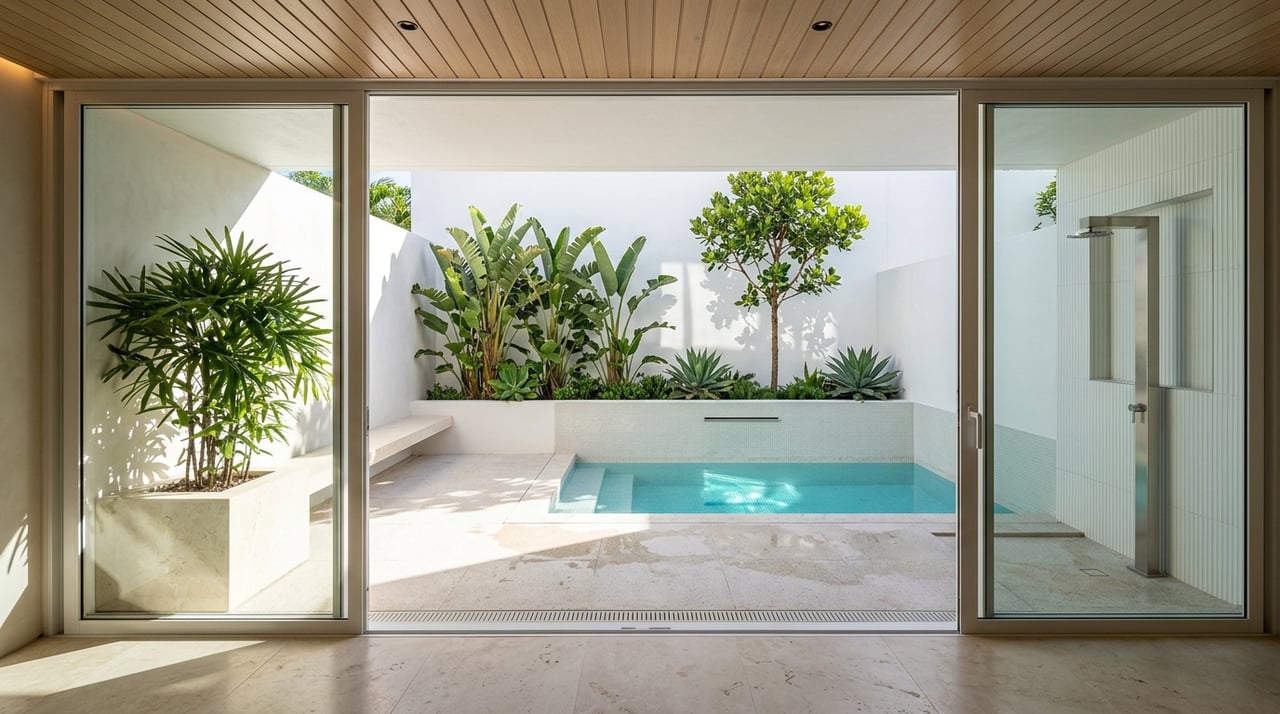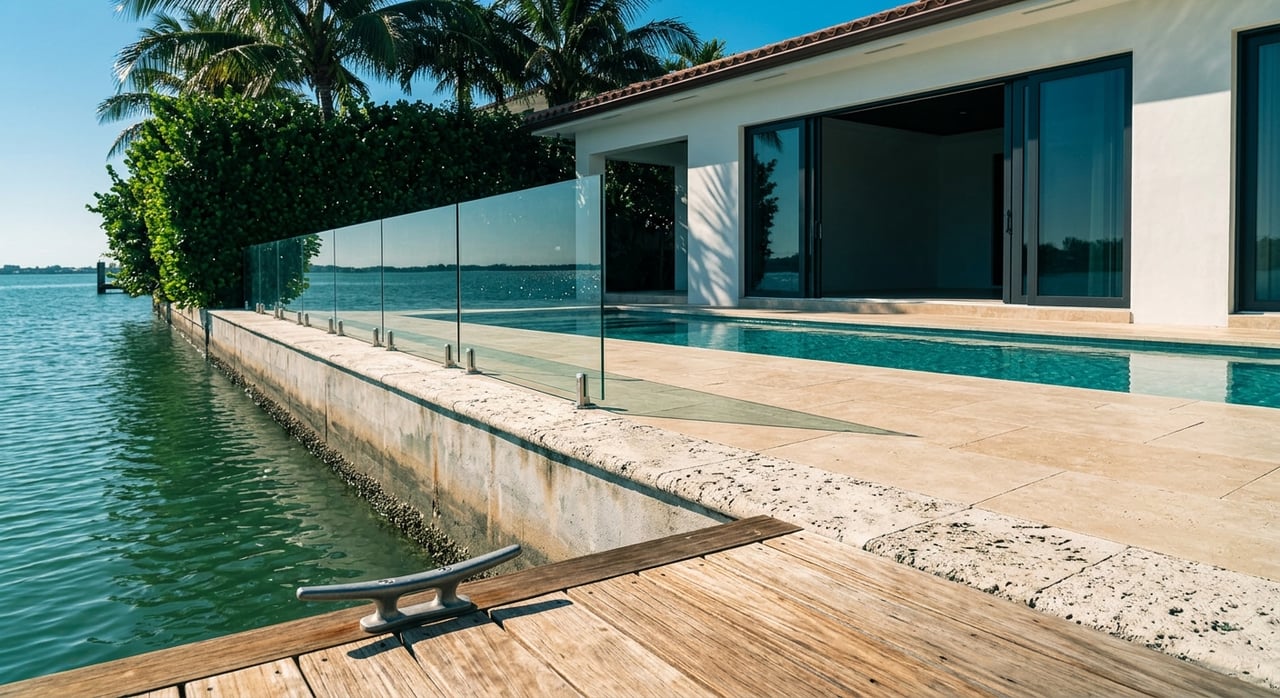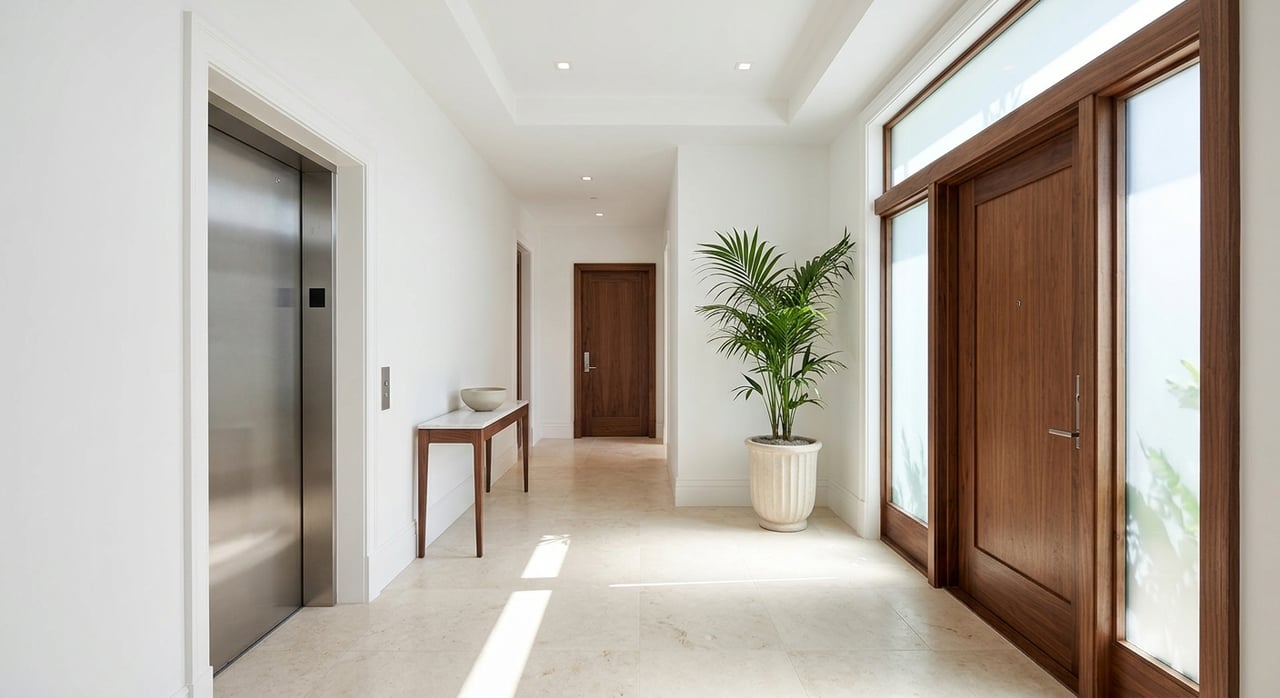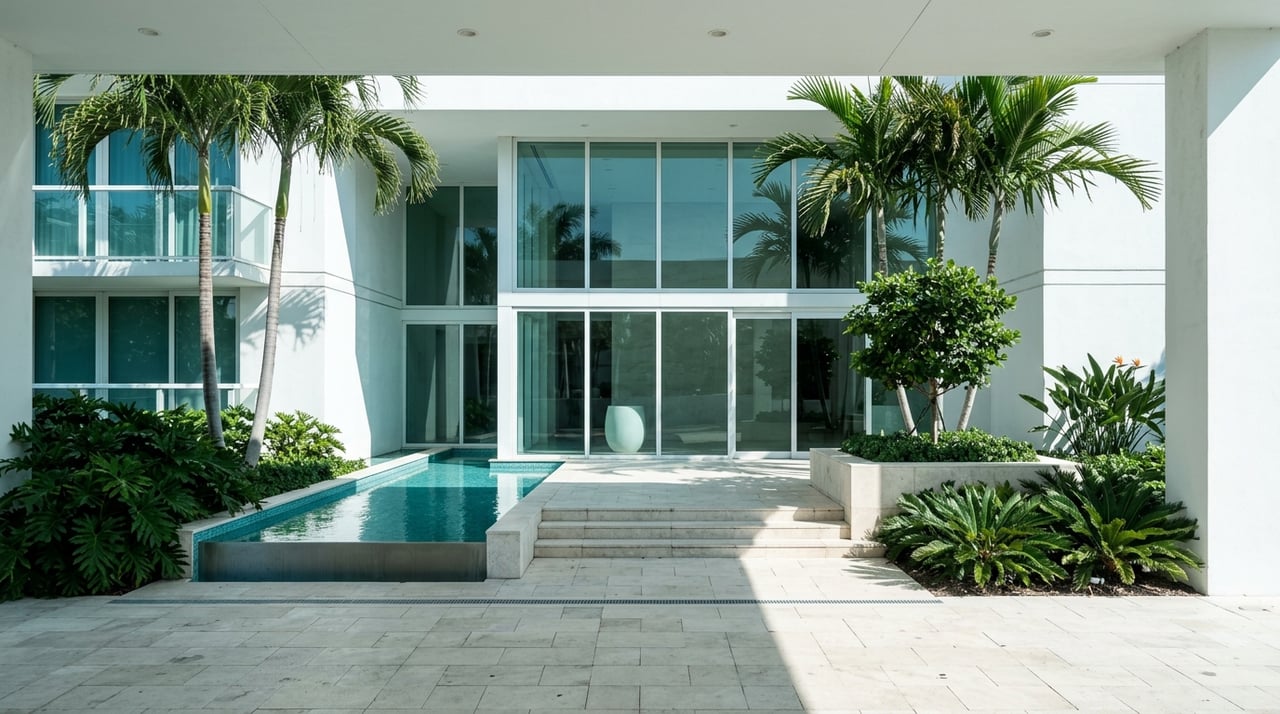
What if your backyard was Biscayne Bay and your front yard opened to miles of soft sand and shady palms? If you are weighing a move to Key Biscayne, you are likely balancing that dream against practical questions about housing, commute time, insurance, and long-term value. You want clear, local guidance that helps you decide if island living fits your lifestyle. This guide walks you through what to expect as a Key Biscayne homebuyer, from condo life and single-family neighborhoods to parks, boating, daily logistics, and the tradeoffs that come with a barrier-island address. Let’s dive in.
Why Key Biscayne draws buyers
Key Biscayne is a small, affluent village with a population in the mid-teens and high household incomes, according to recent Census estimates. You feel the village scale the moment you arrive—tree-lined streets, low-slung neighborhoods, and a calm pace that contrasts with mainland Miami. It is intimate without feeling isolated, and the amenities are centered on the water and parks. You come for the beach and stay for the easy, outdoor rhythm.
The island’s identity is resort-style and outdoors-forward. Think sunrise beach walks, paddleboarding in the bay, tennis or biking, and sunsets by the lighthouse. Publications capture this relaxed, upscale vibe that sets the island apart from denser city neighborhoods. If you value privacy, water access, and a strong connection to nature, Key Biscayne belongs on your shortlist.
- Source: Population and income snapshot from U.S. Census QuickFacts
- Lifestyle context: Southern Living’s take on Key Biscayne
Housing options on the island
Key Biscayne offers a mix of mid- and high-rise condominiums and established single-family neighborhoods. Condos cluster along Crandon Boulevard and waterfront addresses, while single-family homes sit on quiet interior streets and within named enclaves. Many second-home buyers prefer condos for amenities and easy maintenance. Families and long-term residents often look to single-family pockets for more space and privacy.
Home values are well above Miami metro averages. Recent trackers report median sale prices in the low to mid millions, though numbers vary by source and month. Use current MLS data when you are ready to write an offer or price a property. The takeaway is straightforward: this is a premium, low-supply market where building, location on the island, and water proximity drive value.
- Market context: Key Biscayne housing market overview
Condos at a glance
- Lifestyle and amenities: Many buildings offer pools, gyms, doormen, and direct beach or bay access. Amenity sets vary widely by building and age.
- Carrying costs: Monthly condo fees cover common-area maintenance, insurance for the association, reserves, and services. Fees differ by tower and amenity level, so compare line items side by side.
- Convenience: Condos suit lock-and-leave and seasonal living. On-site management and security add peace of mind when you travel.
Single-family homes at a glance
- Space and privacy: You gain a yard, storage, driveways or garages, and more autonomy compared with condo rules.
- Ownership responsibilities: Budget for exterior maintenance, landscaping, and storm-readiness upgrades where needed. Waterfront and near-beach lots command premium pricing.
- Neighborhood feel: Streets are quiet and shaded, and the overall environment is low density with a residential character.
Daily life: beaches, parks, boating, and essentials
Two major parks bookend the island. At the southern tip, Bill Baggs Cape Florida State Park offers expansive beaches, a historic lighthouse, walking paths, and calm waters. It is a signature backdrop for island life and a beloved weekend routine. On the north side, Crandon Park adds miles of beach and green space, plus one of the area’s main marina facilities.
- Parks and beach access: Bill Baggs Cape Florida State Park
- Boating and day-cruises: Crandon Park Marina information
Boating is part of the culture here. From the marina, you can thread out into Biscayne Bay for reef fishing or quick day trips to the flats. The yacht-club scene and informal sandbar meetups round out the social side of the water.
For everyday errands, you have an on-island supermarket and local shops for quick needs. For specialized healthcare, large medical centers, and big-box shopping, plan on crossing to the mainland. Schools are straightforward at the elementary and middle levels: Key Biscayne K–8 Center serves the island, while high schools are on the mainland and assignments can vary by year and address. Always confirm school boundaries for a specific property before you buy.
- School reference: Key Biscayne K–8 Center overview
Getting around: causeway, tolls, and timing
The island connects to Miami only by the Rickenbacker Causeway. There is a one-way, all-electronic toll when you head to the islands. Residents and frequent drivers can enroll in a commuter plan through the county. If you will be crossing regularly for work or school, set up SunPass and factor the toll into your monthly costs.
- Tolls and resident plans: Rickenbacker Causeway information
Metrobus service links the island to Brickell, though frequency is limited compared with urban rail. Many residents prefer to drive, bike, or rideshare. Non-peak drives to Brickell often come in under 30 minutes, but weekend beach traffic and evening returns can slow things down. Plan errands and airport runs outside peak hours when possible.
- Travel-time context: Typical Miami to Key Biscayne drive time
Practical tips:
- Enroll in a SunPass to reduce toll costs and speed through gantries.
- Group errands and appointments off-peak, especially on sunny weekends.
- If your child’s school is on the mainland, test the route at school start and dismissal times.
- Keep bikes and beach gear ready. Many local trips are easier on two wheels or by foot.
Costs, risks, and planning ahead
Owning on a barrier island requires informed planning. Key Biscayne is low-lying and exposed to storm surge, hurricane winds, and long-run sea-level rise. Miami-Dade County and the Village are investing in resilience strategies, including infrastructure improvements and adaptation planning. As a buyer, think in terms of elevation, drainage, seawall conditions for waterfront lots, and the building’s maintenance history.
- Regional resilience overview: Miami-Dade Sea Level Rise Strategy update
Insurance has been a moving target statewide. Carriers have adjusted rates and requirements, and coastal, second-home properties can face different eligibility and surcharges. Before you finalize pricing, obtain firm quotes for homeowner’s insurance, wind coverage, and flood insurance. If you are buying a condo, review the association’s master policy, reserves, and any planned assessments.
- Insurance market context: Citizens rate changes and recent market updates
Many listing platforms now display flood and wind risk flags. Treat those as a starting point. Order property-specific flood information, check FEMA maps and elevation data, and request multiple insurance quotes early in your due diligence. In competitive situations, having these numbers ready can protect your timeline and your budget.
Buyer checklists tailored to you
If you are a second-home or seasonal buyer
- Focus on full-service buildings with strong management, beach access, and security.
- Confirm HOA rules for rentals, guests, and renovations before you buy.
- Compare monthly fees, reserves, and any upcoming assessments across two to three target buildings.
- Request insurance quotes for non-primary residences, including wind and flood.
- Ask about storm protocols, generator systems, and how the building handled past events.
If you are a relocating executive or couple
- Test the commute to Brickell and Miami International Airport during your typical travel windows.
- Prioritize buildings or streets with quick access to the causeway.
- Verify high-speed internet options and evaluate a second bedroom or den for a home office.
- Consider proximity to parks, tennis, and marinas for before- or after-work downtime.
- Review condo services like valet, concierge, and package handling if you travel often.
If you are a family moving for schools and lifestyle
- Confirm Key Biscayne K–8 Center enrollment and check high-school assignments for your exact address.
- Weigh condo convenience against single-family space for bikes, beach gear, and sports equipment.
- Look for storage, pantry space, and a mudroom or drop zone near the entry for sandy feet.
- Walk the route to parks, playgrounds, and the beach at different times of day.
- Ask about neighborhood storm-prep routines and evacuation plans as part of your readiness checklist.
Is Key Biscayne right for you?
If you want a village feel with world-class beaches, boating, and green space, Key Biscayne delivers that daily. You trade some mainland convenience and accept causeway timing as part of life, but you gain a calm, resort-style environment minutes from Miami’s financial core. With the right plan for insurance, resilience, and building due diligence, you can secure a home that fits how you live today and how you plan for tomorrow.
When you are ready to refine your search, schedule a private consultation with the Alex Miranda Group at ONE | Sotheby’s International Realty®. We will help you compare buildings and neighborhoods, pressure-test commute and cost assumptions, and negotiate the right home for your lifestyle. Hablamos español.
FAQs
What is daily life like on Key Biscayne compared to mainland Miami?
- Expect a quieter, village feel with beaches, parks, and boating as daily staples, plus quick mainland access via the Rickenbacker Causeway for big-city dining, culture, and services.
How do condo fees on Key Biscayne typically work for buyers?
- Monthly fees fund building insurance, maintenance, staff, and reserves, and vary by building age and amenities, so compare line items and reserves across your short list.
What should I know about the Rickenbacker Causeway commute and tolls?
- The causeway uses all-electronic tolling with resident and commuter plans available; non-peak drives to Brickell are often under 30 minutes, but weekend and evening traffic can add time.
How should I approach flood and wind risk when buying on Key Biscayne?
- Order property-specific flood data, review elevation and FEMA maps, and secure wind and flood insurance quotes early; resilience planning is active at the county and village levels.
Are there good parks and marinas on Key Biscayne for outdoor lovers?
- Yes—Bill Baggs Cape Florida State Park offers beaches and a lighthouse, while Crandon Park and its marina provide easy access to Biscayne Bay for boating, fishing, and day trips.