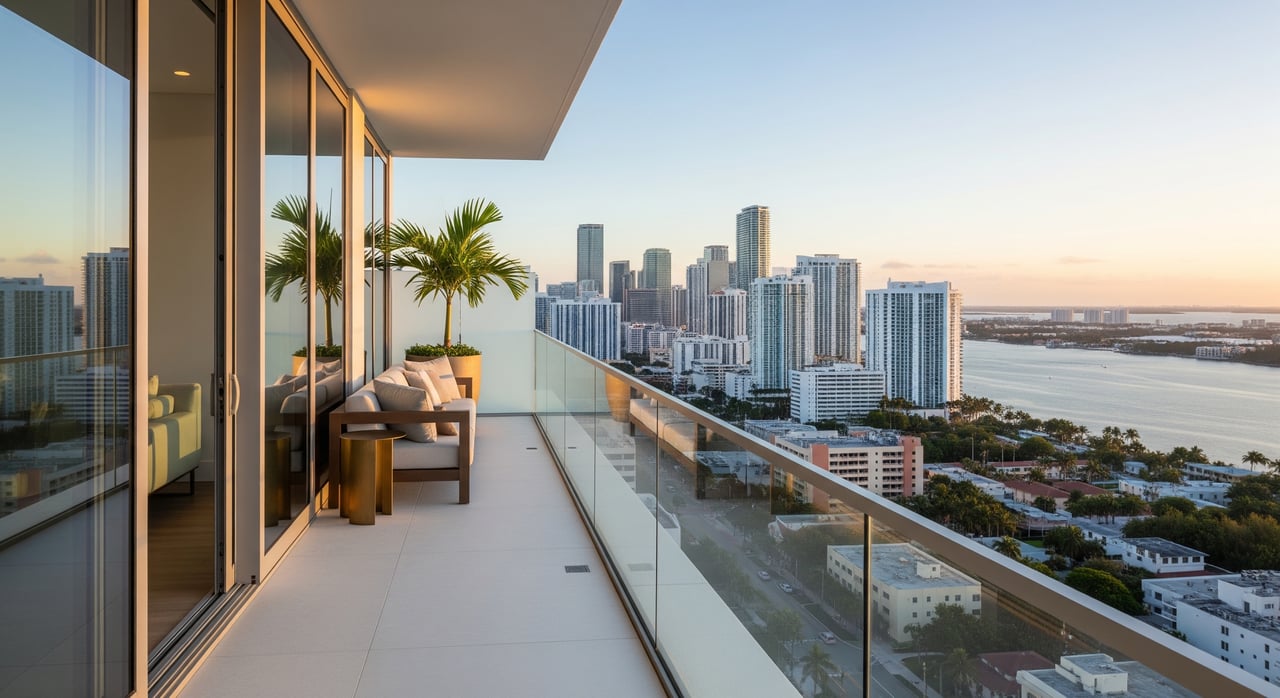
Are you torn between locking in a shiny new tower still rising and grabbing a move‑in ready condo in the heart of Brickell? It is a real question in Miami’s high‑rise hub, where lifestyle, timing, and return on investment all matter. You want a clear picture of costs, risks, and what everyday living will feel like once you have keys. In this guide, you will learn how pre‑construction and resale condos in Brickell compare on timeline, deposits, financing, amenities, and building health, plus the local factors that can tilt the decision either way. Let’s dive in.
Brickell at a glance
Brickell is Miami’s dense financial and residential district filled with high‑rise condos, restaurants, and retail. New development is active, and international visibility brings a broad buyer pool. That means you will see both sleek pre‑construction offerings and a deep bench of resale options across price points.
In a market like this, your best choice often comes down to how soon you want to occupy, your liquidity for deposits, your tolerance for delivery risk, and the lifestyle features you value most.
Pre‑construction vs resale: the quick take
- Pre‑construction: brand‑new finishes, the latest amenities, potential price upside if the market rises during construction, and staged deposits. You accept construction timelines, delivery risk, and more limited financing options before completion.
- Resale: immediate occupancy or rental income, transparent building history and financials, and broader mortgage options if the building qualifies. You may trade off newer amenities and might plan for renovations.
Timeline and delivery
Pre‑construction timeline
With a new Brickell tower, you sign a presale contract, fund deposits over time, and wait for delivery. For high‑rises here, a typical construction window is about 2 to 4 years. During that period, market conditions, interest rates, and developer timelines can change.
Closings occur once the building receives its certificate of occupancy. You will pay the balance at delivery and begin ongoing costs like property taxes and association fees.
Resale timeline
A resale purchase usually runs from contract to closing in roughly 30 to 90 days, depending on your financing. You can occupy or rent right after closing. The benefit is certainty: you can inspect the unit and building, review association documents, and plan your move or rental start date with confidence.
Deposits and purchase economics
Pre‑construction deposits
Developers typically require staged deposits totaling about 20 to 50 percent of the purchase price before closing. The exact schedule and milestones vary by project. Deposits are often refundable only in limited circumstances. Assignment rights, if any, depend on your contract.
Make sure you know the total cash outlay, when each deposit is due, and what happens if the timeline shifts. Have an attorney review your presale agreement so you understand refund and assignment provisions.
Resale deposits
For a resale, you usually place an earnest money deposit of about 5 to 10 percent of the price at contract. You finance or pay the remainder at closing. That can reduce your upfront cash commitment compared with a new‑build deposit schedule.
Carrying and closing costs
With pre‑construction, you avoid day‑to‑day carrying costs until delivery, then start taxes, insurance, and HOA dues. With resale, those costs begin at closing. Closing costs and transfer taxes differ case by case, so compare your net outlay carefully.
Financing and eligibility
Financing pre‑construction
Many pre‑construction buyers fund deposits in cash and arrange a mortgage at closing. Some lenders will not underwrite mortgages until the project is complete and the condominium is certified under their guidelines. That can limit options if you need conventional or government‑backed financing earlier in the process.
Developers sometimes offer incentives or preferred‑lender pathways, but you should confirm terms and timing. Bridge financing can be an option, although it may cost more.
Financing resale
Resale condos in established buildings usually offer broader financing options if the building meets lender requirements. That wider mortgage eligibility often expands the buyer pool and can support liquidity if you sell later.
Amenities and lifestyle
New‑tower advantages
Brickell’s newest projects emphasize hospitality‑style living and technology. You will often see large lobbies, integrated dining and retail, fitness and wellness centers, co‑working areas, smart‑home features, EV charging, pet amenities, and curated resident programming. Some buildings pursue branded‑residence or hotel partnerships to elevate services.
If the amenity experience and brand identity are top priorities for you, pre‑construction can deliver an edge.
Established buildings
Many established buildings keep maintenance strong and offer solid amenities, even if they are not the newest trends. You may find a competitive price per square foot and a central location that fits your daily routine. If you plan light updates in your unit, a well‑run building can match your lifestyle and budget.
Risk, warranties, and condition
Pre‑construction risk profile
You will receive new‑construction warranty coverage from the developer or contractor, typically for structural and mechanical items. That said, warranties do not remove market risk or developer risk. Project delays, material substitutions, or design changes can occur. Protections depend on the contract and local disclosure rules.
Research the developer’s track record and delivery history in Miami. Confirm that construction financing and approvals are in place and understand your remedies if timelines slip.
Resale due diligence
With a resale, you can inspect the unit and review the association’s financials, reserve study, and maintenance history. Look for signs of deferred maintenance, special assessments, or litigation. You can also examine insurance claim history and service records to gauge long‑term upkeep.
HOA, reserves, assessments, and legal review
In a resale purchase, request the declaration, bylaws, recent budgets, audited financials, reserve study, board minutes, and any special‑assessment notices. These documents reveal management quality, reserve strength, and upcoming capital needs.
For pre‑construction, review the developer’s disclosure package, the draft condominium declaration, estimated HOA budget, and projected reserves. Clarify how common expenses are calculated and how HOA fees might adjust once the building stabilizes.
In Miami‑Dade, building recertification requirements apply at set milestones and have been under greater scrutiny since 2021. If you are buying in an older high‑rise, confirm past and upcoming recertification timelines, planned repairs, and how the association intends to fund them.
Rental rules and investor lens
Brickell’s proximity to employment centers and lifestyle amenities supports both owner‑occupants and long‑term renters. However, many associations restrict short‑term rentals or impose minimum lease terms. Newer buildings may also set rental caps or waiting periods before you can lease a unit.
Factor in HOA rules, taxes, insurance, and parking costs when evaluating cap rates. In luxury high‑rise buildings, operating costs can compress yields. Focus on net income rather than headline rents.
Insurance, flood exposure, and resiliency
Brickell is low‑lying and close to the coast, which means flood and hurricane exposure can influence insurance pricing and lender requirements. Newer buildings may be designed to higher codes and incorporate resiliency features. Older buildings can face higher retrofit costs or future assessments to meet evolving standards.
Ask about base elevation, window systems, backup power, and flood‑mitigation measures. Include projected insurance costs in your budget review for both new and resale options.
Supply and market‑cycle exposure in Brickell
Brickell experiences concentrated development waves. When multiple new towers deliver together, short‑term supply can pressure pricing and rents. If you are buying pre‑construction, review the pipeline, amenity positioning, and likely absorption for your segment.
For resales, compare recent comps and days on market for similar units. Understanding where your building sits in the competitive set will help you price, negotiate, and plan your hold period.
Which path fits you?
Choose pre‑construction if
- You value brand‑new finishes, the latest amenities, and limited customization options.
- You are comfortable with a multi‑year timeline and potential market shifts.
- You can fund staged deposits and are prepared to close with cash or a mortgage at delivery.
- You have reviewed the developer’s track record and contract protections.
Choose resale if
- You need immediate occupancy or income.
- You want to evaluate building condition, HOA finances, and historical performance before committing.
- You prefer broader financing options with fewer project‑level hurdles.
- You want to avoid construction and delivery‑timing risk.
Your next steps in Brickell
- Clarify your timeline and liquidity. Decide if staged deposits or immediate closing works better for you.
- Get legal review. Have a Florida condominium attorney review presale contracts and association documents.
- Request the right documents. For resale, ask for financials, reserve studies, minutes, and assessment history. For pre‑construction, review the draft declaration, estimated budget, deposit schedule, and construction financing status.
- Compare total cost of ownership. Model HOA fees, insurance, taxes, parking, and likely maintenance for both paths.
- Examine rental policies. Confirm minimum lease terms, caps, and any waiting period if you plan to rent.
- Align with local expertise. A Brickell‑focused advisor can benchmark comps, evaluate developer credibility, and flag red‑flag language in contracts.
When you are ready to weigh specific buildings or get a curated list of pre‑construction and resale options that match your lifestyle, connect with the Alex Miranda Group at ONE | Sotheby’s International Realty®. We offer bilingual guidance, development expertise, and thoughtful, concierge‑level service. Schedule a Consultation and let’s map the right Brickell move for you.
FAQs
What are the typical deposits for pre‑construction condos in Brickell?
- Developers commonly require staged deposits totaling about 20 to 50 percent before closing, with milestones outlined in your contract.
How long does it take to close on a Brickell resale condo?
- A resale often closes in about 30 to 90 days, depending on financing and association approvals, with immediate occupancy or rental afterward.
Can I get a mortgage on a pre‑construction Brickell condo before completion?
- Many lenders wait until the project is complete and the condo is certified. Buyers often fund deposits in cash and secure financing at delivery.
Do newer Brickell condos have lower HOA fees than older buildings?
- Not necessarily. Newer buildings with robust amenities can have higher HOA dues, while older buildings may face future capital needs or assessments.
What risks should I look for in a Brickell resale building?
- Review special‑assessment history, reserve balances, litigation, insurance claims, and upcoming recertification or capital projects that may affect costs.
Are short‑term rentals allowed in Brickell condos?
- Many associations restrict short‑term rentals or require minimum lease terms. Always confirm the building’s rental policy in the condominium documents.