Thinking about reserving a condo in a new Brickell tower but unsure how the deposits and timing really work? You are not alone. Pre-construction can be a smart way to secure the right view and floor plan, yet the process has its own rules, deadlines, and risks. In this guide, you will learn the typical deposit schedule, key milestones from reservation to closing, what timelines to expect in Miami’s urban core, and how to plan for delays without stress. Let’s dive in.
How deposits work in Brickell pre-construction
Pre-construction purchases in Brickell usually follow a staged payment path. You start with a small reservation deposit to hold a unit, then make larger contract deposits, and sometimes additional deposits during construction. The balance is due at closing.
Developers set the schedule in the offering plan and purchase agreement. Amounts can vary by building, unit type, and market conditions in Miami-Dade.
Typical amounts at each stage
- Reservation deposit: often used to hold a unit while you review documents. Typical range is $1,000 to $50,000. Many Brickell towers use $10,000 to $50,000 for primary units.
- Contract deposit at signing: commonly 10 percent of the purchase price, with a general range from 5 to 20 percent.
- Additional deposits during construction: many projects bring your total deposits to 20 to 30 percent before closing. Luxury or penthouse units may require 30 to 50 percent total.
- Balance at closing: you pay the remainder, less deposits and any loan proceeds.
Refundability and escrow basics
Florida’s condominium rules and the project’s offering plan govern your rescission rights and how deposits are held in escrow. Reservation deposits are often refundable within stated review periods. Once you sign the purchase agreement, refunds depend on the contract’s contingencies and the developer’s performance. Confirm whether deposits accrue interest, when funds can be released from escrow, and who the escrow agent is.
From reservation to contract: your timeline
Most buyers first place a reservation deposit and then receive the offering materials and sample agreement. You typically have a defined window to review and sign the purchase contract and fund the contract deposit. Many buyers use this period to confirm financing and request attorney review.
Contracts also reference a statutory rescission period for new condominiums in Florida. The exact timing is set by law and the offering plan, so read that section closely.
Key buyer deadlines
- Financing contingency: know the deadline to secure your loan approval and protect your deposit rights.
- Title and document review: plan a short window to review title commitments and condo documents.
- Rescission period: track the statutory right to cancel as outlined in the offering materials.
- Assignment rules: clarify if you can assign your contract before closing and what fees may apply.
During construction: payments and protections
Your payments during construction are scheduled deposits, not construction loan draws. Some projects use calendar-based deposit triggers. Others tie deposits to milestones like the start of vertical construction or a specific floor pour.
Check whether the contract allows the developer to access escrowed funds at certain stages. Verify whether your deposits earn interest and whether any interest is returned to you if refunded. You usually do not pay HOA dues or property taxes before closing, though some offering plans require initiation or working capital contributions.
Delivery and closing: realistic timelines in Brickell
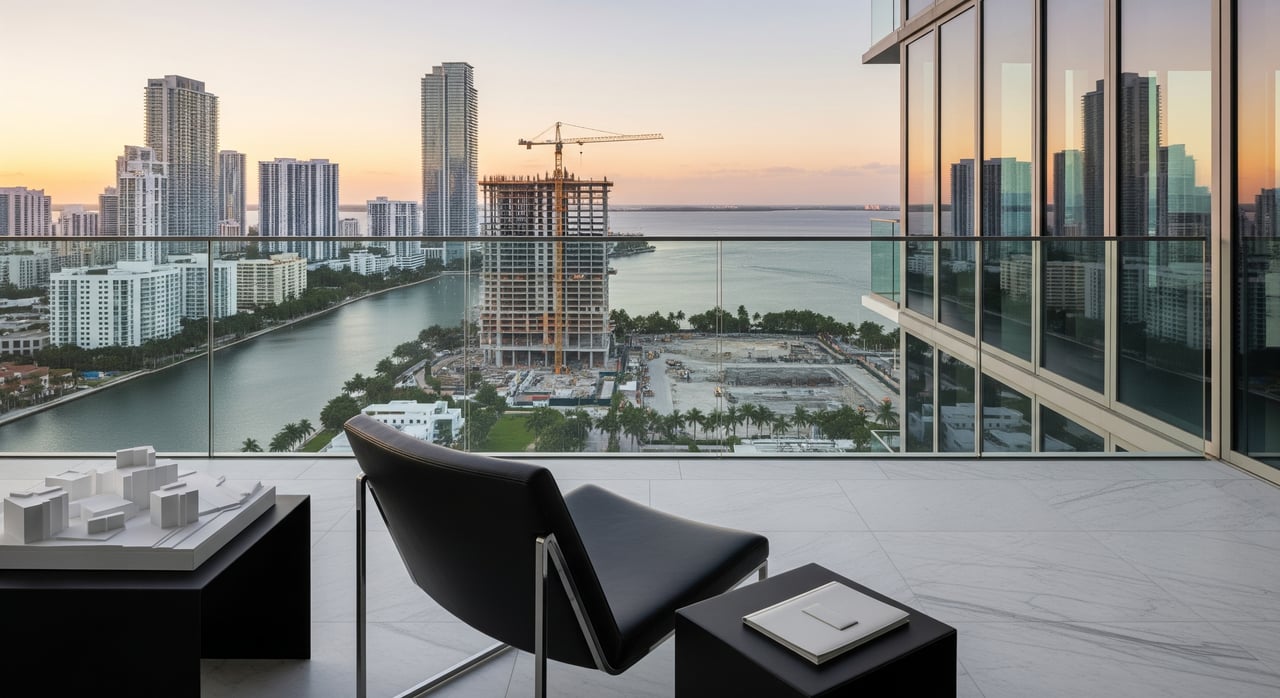
High-rise projects in downtown Miami and Brickell often estimate 24 to 36 months from the start of construction to delivery. If a project is still in planning or permitting, the path from reservation to a certificate of occupancy can take 36 to 60 months.
Delays have been common in recent years. Factors include permitting backlogs, dense-site logistics, supply chain issues, financing shifts, and weather events. Slippage of 6 to 18 months has been widely reported across the industry.
What happens at closing
Closings typically occur when the building or your stack receives a certificate of occupancy. You will complete your final walk-through, confirm punch-list items, and finalize your loan if financing. The new condo association will be operational with governing documents and initial budgets established.
Budgeting and risk planning
You will not carry property taxes or monthly assessments until you close. Still, plan for other costs while you wait. These can include alternate housing if you sell or relocate, the opportunity cost of cash tied up in deposits, and potential interest rate changes if timelines shift. Also budget for escrow, title, legal review, appraisal, and HOA initiation items.
After closing, understand how the building’s master insurance and flood considerations in Miami-Dade may affect your ongoing costs. Ask the sales team for current insurance assumptions and coverage summaries.
New build or resale: which fits you
- New construction benefits:
- Early access to preferred lines, views, and finishes.
- Potential developer incentives or upgrade packages.
- A fresh building with modern systems and amenities.
- New construction trade-offs:
- Larger deposit requirements and longer time to occupancy.
- Construction and delivery risk, including interest rate exposure.
- Resale benefits:
- Immediate occupancy and faster, clearer financing timelines.
- Established HOA history and known assessment patterns.
- Resale trade-offs:
- More competition for top views or lines in sought-after buildings.
- Renovation or updating needs compared with brand-new finishes.
Smart checklist before you sign
- Read the offering plan and contract carefully, focusing on deposit schedule, refund triggers, delivery language, and developer extension rights.
- Confirm where deposits are escrowed and when funds can be released.
- Verify financing options and any contingency deadlines. Ask about rate-lock strategies if timelines run long.
- Ask about the developer’s track record delivering towers in Brickell and greater Miami.
- Clarify assignment rules and related fees if you may resell prior to closing.
- Budget for alternative housing, cash needs, and potential market shifts between contract and delivery.
- Consult a Florida real estate attorney and a lender experienced with Miami high-rise condos.
Why work with a local advisor
Brickell pre-construction moves fast and every project writes its own playbook. A local advisor helps you compare deposit schedules, delivery risk, assignment rules, and lender requirements across multiple towers so you can choose with confidence. You also get introductions to attorneys and lenders who know how Miami condo contracts are written and financed.
If you want concise guidance tailored to your goals, we are here to help. Hablamos español. Connect with the Alex Miranda Group at ONE | Sotheby's International Realty® to discuss timing, inventory, and a purchase plan that fits your life and budget.
FAQs
How much do I typically deposit for a Brickell pre-construction condo?
- Most projects collect about 10 percent at contract with total deposits of 20 to 30 percent during construction for standard units. Luxury or penthouse units may require 30 to 50 percent.
Are reservation deposits in Brickell refundable if I change my mind?
- Reservation deposits are often refundable within the review or rescission windows stated in the offering materials. After you sign the purchase agreement, refund options depend on the contract.
How long does it usually take to get the keys to a new Brickell tower?
- Many towers estimate 24 to 36 months from construction start. Projects still in planning or permitting can take 36 to 60 months. Delays are common in the urban core.
What if the developer misses the delivery date in my contract?
- Remedies vary by contract. Some allow extensions for stated reasons, others include termination and refund rights after a final cutoff. Confirm the exact language in your agreement.
Will I owe HOA dues or taxes before I close on a Brickell condo?
- Typically you begin paying HOA assessments and property taxes at closing. Some offering plans require advance HOA or working capital contributions, so review the documents.